A Man Bigger Than His Nicknames
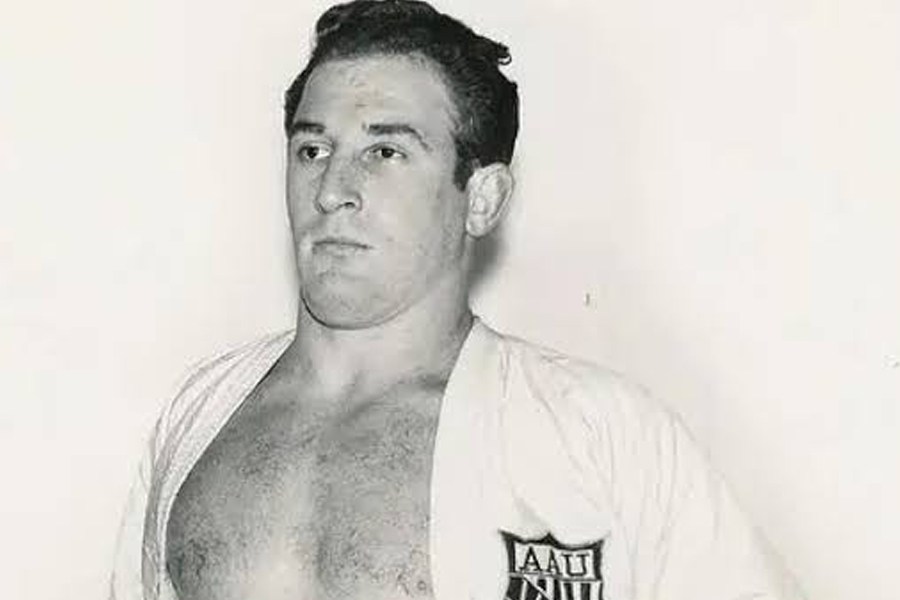
In my mind, Gene Labelle seems chiseled from ancient California grit. Gene LeBell, better known as Judo Gene LeBell, enjoyed a busy life in sports, cinema, literature, and folklore. Born Ivan Gene LeBell in Los Angeles, California, on October 9, 1932, he earned a reputation few in any area could equal over 89 years.
His titles as the Godfather of Grappling and Toughest Man Alive were not idle boasts. They fit him since he never shied away from conflict. Gene made hardness look practical in judo, wrestling, filmmaking, and coaching the next generation of warriors. Natural, not staged.
His story is family-related. He was strong because of his mother, brother, wife, children, and blended family. To completely understand Gene Labelle, I must look at both the public warrior and the people who supported him like house timbers.
Born Into a Fighting Family
Sport and promotion ran in Gene’s family. Gene’s father, Maurice LeBell, died in a surfing accident while he was young, shaping the family. After the tragedy, his mother, Aileen Eaton, became a powerful force in the household.
Red Head, Aileen Goldstein Eaton, was a unique parent. She owned the Los Angeles Olympic Auditorium and was a prominent boxing and wrestling promoter. Though women were rarely granted influence in those environments, she claimed it. She later became the first female International Boxing Hall of Fame inductee. That alone tells me Gene’s childhood was noisy, ambitious, spectacular, and disciplined.
The Olympic Auditorium was more than a building. A furnace. Wrestlers, promoters, fighters, and visionaries passed through. Gene must have felt like he was growing up in the American combat sports engine room. He quickly realized that athleticism, presence, endurance, and room command were all important.
Judo, Wrestling, and the Making of a Legend
Early training included catch wrestling and boxing, but judo was where Gene made his mark. The 1950s saw him win many U.S. national judo titles. Those wins counted. They showed he was more than just a family giant. He could make it.
At that time, American judo was still gaining popularity. Gene shaped it. His technical talent, competitive earnestness, and tough demeanor brought the art to life. If many martial artists move like technicians, Gene was more like a balanced storm.
He eventually joined professional wrestling, where his personality and ability were more visible. He combined combat skills, timing, and showmanship in wrestling. He had titles, worked significant regions, and was a performer, enforcer, and referee that promoters trusted to restore order.
Special attention is paid to 1963. Gene beat Milo Savage in a boxer-wrestler match that is now considered an early foreshadowing of contemporary MMA that year. Gene showed how grappling might defeat another combat technique before MMA went universal. Not simply a curiosity fight. A signpost.
Hollywood’s Quiet Giant
Even without judo and wrestling, Gene would have been noteworthy. But he persisted. He has one of Hollywood’s most prolific stunt careers, working on over 1,000 films and TV shows. That number seems surreal, like locker-room mythology, but it represents his working life.
He was a stuntman, stunt coordinator, actor, and controlled chaos master. The Green Hornet, Enter the Dragon, and Star Trek were among his films and TV shows. His Hollywood roles included mechanic, protector, and magician. Stunt work requires timing, guts, and faith. Gene had plenty of all three.
He coached actors and fighters like Bruce Lee and influenced Chuck Norris and Ronda Rousey. That influence reveals Gene’s generational impact. One era did not define him. Become a bridge. His lessons spread from mats and wrestling arenas to action movies and MMA.
Gene and His Brother Mike
Family remained a major thread in Gene’s professional life. His brother, Mike LeBell, was one of his important partners, and together they helped run NWA Hollywood Wrestling from 1968 to 1982. That was a significant stretch of time, 14 years spent shaping a regional wrestling institution.
Promoters needed more than hold and finish expertise. It requires people skills, logistics, discipline, and crowd awareness. Gene and Mike preserved more than a company. They curated a show in America’s entertainment hub. The familial link provided their work continuity and reflected their mother’s combat game influence.
The Love Story of Gene and Eleanor Midge Smerch LeBell
For all the public toughness in Gene’s life, one of the most compelling parts of his story is his relationship with Eleanor Smerch, known affectionately as Midge. Their bond gives the larger-than-life legend a warm human center.
Eleanor was born June 28, 1937. She reunited with Tommy’s buddy Gene when she was a widow with children. Over time, the friendship became a committed relationship. They were married for 34 of their 39 years together. They married twice, including a motorbike ceremony that fit a bold pair.
All stories say Midge was Gene’s rock. While overused, that statement feels earned here. Gene was active and visible. Midge seemed steady, dedicated, and kind. Later, when his health declined, she was his constant partner and caregiver. In a violent, brutal, and spectacle-filled world, the love story brings tenderness.
Eleanor passed away in 2025. Her death marked the end of a partnership that had become one of the emotional anchors of the LeBell family story.
His Children and Blended Family
Gene’s family life was large and blended, which gives it the texture of a real American family rather than a neat celebrity portrait.
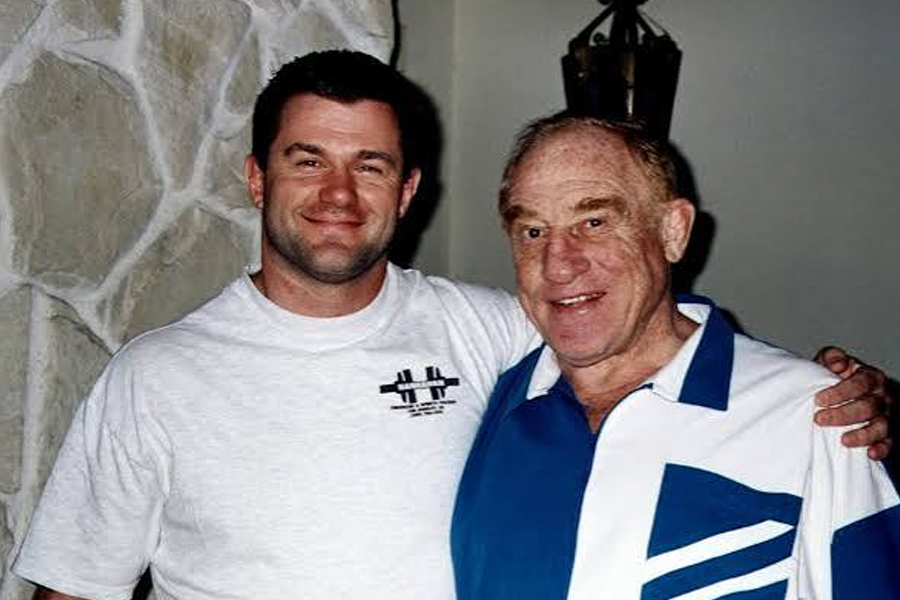
David LeBell followed his father’s example. David was a stuntman and actor in RoboCop 2, Lethal Weapon 4, and Commando. Continuing feels right. Tradecraft is passed down like a worn tool in many families, preserving skill and memory.
His daughter, Monica LeBell Pandis, became a federal fraud investigator. That detail indicates familial diversity, making it remarkable. Not all legacies are physical. Others are intellectual, procedural, and anchored in another field.
Stacey’s stepson Danny Martindale was part of Gene’s mixed family. Stepchildren and extended family joined the household. Grandchildren included Daniel Gene, a pride and delight, Jimmy James LeBell, Nicholas, Aleksander, Tyler, and others. I understand that every public legend has a dinner table, birthdays, private jokes, and generations passing on the name.
Career by the Numbers
Sometimes numbers help frame a life this large.
| Milestone | Detail |
|---|---|
| Birth | October 9, 1932 |
| Death | August 9, 2022 |
| Age at death | 89 |
| Major judo success | Multiple U.S. national titles in the 1950s |
| Landmark crossover bout | Defeated Milo Savage in 1963 |
| Promotion leadership | Co-ran NWA Hollywood Wrestling, 1968 to 1982 |
| Film and TV stunt work | 1,000+ productions |
| Books authored or co-authored | Around 12 |
| Estimated net worth | About $10 million |
These figures do not tell the whole story, but they show the dimensions of his output. He was not active for a brief burst and then remembered nostalgically. He sustained relevance across decades.
The Writer, Teacher, and Mentor
Gene also wrote or co-wrote around 12 martial arts books. That matters because writing preserves what the body cannot forever demonstrate. A throw can be felt once and forgotten. A book can keep the lesson alive for years.
Gene may have had a greater influence as an educator than a stuntman or competitor. Teachers proliferate. A champion triumphs. Teachers develop champions, coaches, artists, and risk-takers. Gene did it. Even while his name is acknowledged briefly, his influence is evident in present grappling culture.
Net Worth and the Value of a Long Career
Gene Labelle’s estimated net worth at the time of his death in 2022 was around $10 million. That wealth reflected a lifetime of varied work: judo, wrestling, promotion, stunt performance, stunt coordination, acting, writing, and instruction.
I find that figure interesting not because it turns his life into an accounting sheet, but because it reflects durability. He built his income over decades, not from one lucky break. Like a craftsman adding boards to a house year after year, he kept building.
Final Years and Passing
Elder statesman of martial arts and wrestling, Gene was admired in his final years. Despite age and health limitations, his reputation remained strong. He became a folk hero in a pink gi whose stories went via gyms, podcasts, locker rooms, and film sets.
He died quietly in his sleep in Sherman Oaks, California, on August 9, 2022, at 89. His death shook combat sports and entertainment, yet his legacy lived on. Too many people learnt, laughed, worked, or gained strength from him.
FAQ
Who was Gene Labelle?
Gene Labelle, more commonly known as Gene LeBell, was an American judoka, professional wrestler, stuntman, actor, martial arts instructor, and author. Born on October 9, 1932, he became one of the most influential figures in grappling and combat entertainment.
Why was Gene Labelle called the Godfather of Grappling?
He earned that title because of his massive influence on judo, catch wrestling, professional wrestling, and early mixed-style fighting. He also trained or influenced major figures across martial arts and Hollywood, helping shape grappling’s public image over several generations.
Who were Gene Labelle’s parents?
His father was Maurice LeBell, who died in a surfing accident while Gene was young. His mother was Aileen Eaton, the powerful Los Angeles promoter who owned the Olympic Auditorium and became the first woman inducted into the International Boxing Hall of Fame.
Who was Gene Labelle’s wife?
Gene was married to Eleanor Smerch LeBell, known as Midge. They shared a long, devoted relationship, were together for more than 39 years, and remained partners until Gene’s death in 2022.
Did Gene Labelle have children?
Yes. His children included David LeBell and Monica LeBell Pandis, and he was also part of a larger blended family that included stepchildren such as Danny Martindale and other extended relatives and grandchildren.
What did David LeBell do?
David LeBell followed his father into the entertainment world and worked as a stuntman and actor. His credits include films such as RoboCop 2, Lethal Weapon 4, and Commando.
What is known about Monica LeBell Pandis?
Monica LeBell Pandis worked as a fraud investigator for the federal U.S. government. Her career shows the family’s range beyond combat sports and film work.
What made the 1963 Milo Savage fight important?
Gene’s 1963 victory over boxer Milo Savage is often remembered as an early example of mixed-style competition. It helped demonstrate the practical power of grappling against another combat discipline long before modern MMA became mainstream.
How extensive was Gene Labelle’s Hollywood career?
His Hollywood career was enormous. He worked on more than 1,000 film and television productions as a stunt performer, coordinator, actor, and action specialist, making him one of the most prolific figures in stunt history.
What was Gene Labelle’s net worth?
His estimated net worth at the time of his death was about $10 million, built through decades of work in martial arts, wrestling, promotion, stunt performance, books, and related ventures.